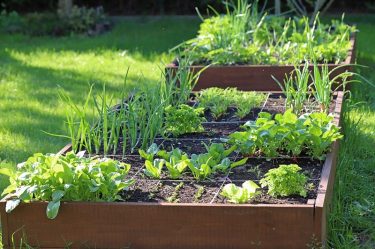
 Employing green gardening practices is becoming more important and popular as many want to abandon the chemical and GMO aspects of industrial agriculture while ensuring better quality of in growing their own organic food when possible. People are also facing the realities of food shortages in the face of possible severe temperature fluctuations, drought, flooding, landslides, volcanoes, hurricanes and windstorms which can not only affect both farming but also result in unexpected interuptions in transportation routes, and in turn, the food supply chain. It is heartening to see so many wishing to replace chemical-based fertilizers, herbicides, or pesticides with eco-friendly alternatives and returning to tried and true gardening methods or embracing new methods and technologies, creating a healthy, organic environment in which to grow food and other plant life. Using organic seeds is a great beginning, as is container gardening for those who simply don’t have a lot of land as are community gardens.
Composting is an important basis of producing good, nutrient-rich, organic soil on which to create and maintain a healthy, organic garden, especially if you know exactly what went into making that compost and controlled it well using fruits, vegetables, coffee grounds, eggshells, creating alternate layers of kitchen scraps and a mix of leaves, lawn clippings, small branches, and other natural fill. Composting is also an important step in reducing the size of landfills and keeping them free of rotting food. It is best to keep it relatively moist, turning it over on a regular basis. Keeping it in a shaded area, and covered in the winter to maintain the heat garners the best results, producing dark, crumbly soil within three to twelve months. Many recommend keeping meat, dairy, oils, out of compost containers for best results. Definately keep diseased plants, pet waste, all types of plastic and coated paper out of the compost container or pile. Vermicomposting involves using red wiggler worms for composting, especially for indoor or balcony composting in small spaces.
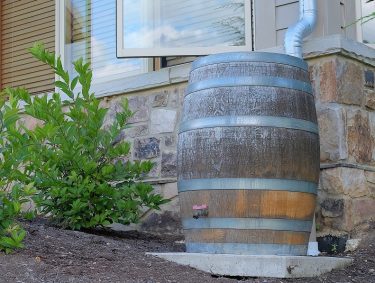
As watering is key to any garden or farm, this aspect is also a great one in which to invest and control. Rainwater harvesting captured in your own rain barrel is becoming an important step, especially in areas where drought is prevalent. Think about setting up a Rain Garden that will capture and direct rainwater from rooftop eaves troughs, drip lines, water spouts or paved areas to where it can water your garden. Employing tiered steps such as those used for rice patties in Asia can be advantageous in capturing water before it flows away.
Weather you are employing plastic totes and buckets, garbage cans, or cisterns, collecting your own water means you can bypass city water sources and collect soft, chlorine-free water rich in nitrogen, which is healthiery for growing vegetable, fruits, flowers and trees.
Watering gardens and lawns during the coolest part of the day is conducive to water seeping into the ground before it evaporates.
Planting trees is always a good thing and helps anchor the soil, provides oxygen, shade, and a home for wildlife. Also, planting flowers that create an inviting and nurturing environment for our precious pollinators is a wonderful and important step in Green Gardening. For tips on creating a nurturing environment for insects and animals pollinating in your garden see our page on Pollinators.
Using an old-fashioned hand-pushed mower is welcome, and failing that, an electric mower is preferable to gas-powered mowers which are soon to be banned in many communities anyway. Replacing the amount of grass on your property with plants, shrubs, trees, and food sources is becoming a welcome trend and will certainly help green gardening.
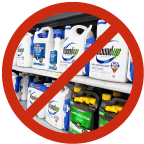 ‘Roundup and other toxic forever chemicals are harming people, animals, and our precious Gaia and pollinators! Foodprint-Is Glyphosate a “Common Denominator” in Collapsing Environmental and Human Health? Roundup contains Glyosphate, linked to non-hodgin lyphoma, leukemia, myeloma, kidney and thyroid cancer, kidney damage and liver disease, headaches, dizziness, low blood pressure, eye, nose, skin and throat irritation, nausea, vomiting, diarrhea, mouth and throat burns, abdominal and chest pains, breathing difficulties. general weakness, and more. WebMd on Glyosphate Herbicide
You can replace chemical herbicides with natural weed killers, by using boiling water or heat gerated by a flame-weeder tool or using common household items including simply mixing one gallon of white vinegar with one cup of salt, and one tablespoon of liquid dish soap which faciliates the mixture sticking to the weeds; a slight variation involves mixing one liter of white vinegar with two teaspoons of dish soap and yet another is mixing one liter of white vinegar with two to three teaspoons of table salt for surface weed control; and for larger areas, paths and hard surfaces, mix five liters of water with 200 milletres of white vinegar with one kilogram of coarse salt. Simply soaking orange peels in water make a fragrant insect repellent.
Watch this video to learn how electroculture not only increases yield but also reduces pests and the next for fertilizers: Forbidden Roots Video: One Copper Wire Triples Your Harvest — Why Is This Science “Forbidden”?
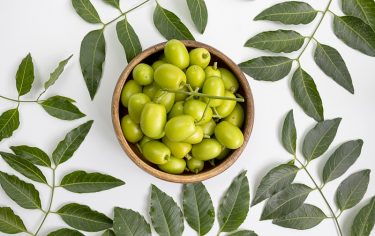 Another natural insect repellent and insecticide, safe enough to be used for skin conditions and toothpaste, is Neem Oil, (from the Azadirachta indica tree). Neem oil has been a tried and true strong solution to deter pests for thousands of years, capable of disrupting the life cycle of over 300 insects. It grows in tropical and subtropical regions, such as India, Pakistan, Bangladesh, Sri Lanka, and Nepal.
Planet Natural: Neem Oil for Plants: How and When to Use It on Plants
Simple Gardening Tips Video on: “How to make organic pesticide from Neem leaves …”
Natural alternatives for controlling/repelling pests:
Lavender: Bed Bugs, Mosquitos, Chiggers, Ticks, Fleas, Mosquitoes, Flies, Moths
Basil: Flies, Mosquitos
Eucalyptus: Flies, Roaches, Spiders, Spider Mites, Ants, Lice
Cedarwood: Moths, Termites, Fleas, Ants, Cockroaches, Mosquitoes
Sandalwood: Aphids, Mosquitos
Peppermint: Ants, Aphids, Caterpillars, Spiders, Spider Mites, Beetles
Clove Oil: Lice, Termites, Mosquitoes, Ants, Wasps, Moths and their larvae, Flies, Fleas, Earwigs, Silverfish, Mites, Aphids, Cockroaches
Thyme: Beetles, Chiggers, Cabbage loopers, Whiteflies, Tomato Hornworms, Corn Earworms
Lemongrass: Ticks, Mosquitos, Chiggers, Fleas, Cockroaches, Bedbugs
Patchouli: Gnats, Snails, Bedbugs, Mosquitos, Moths, Flies, Ants, Fleas
Cinnamon: Termites, Rats, Mice, Squirrels, Raccoons, Snakes, Moles, Rabbits, Weasels
White Fir: Aphids, Slugs, Snails
Orange Peel Sprays: Slugs, Aphids, Ants, Whiteflies, Fruit Flies
Neem: Spider Mites, Aphids, Beetle Larvae, Caterpillars, Lace bugs, Leafhoppers, Leafminers, Mealybugs, Thrips, Whiteflies
Green Garden Tips – Growing with the Land: The Elegance of Terraced Garden Design
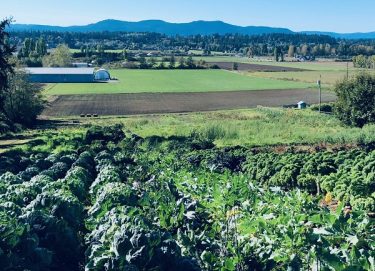
Climate Crisis Unleashes Pesticide Contamination from Thawing Permafrost, Elevating Global Emergency
Mother Earth Living: Sustainable Gardening: 5 Green Gardening Tips
Happy Sprout: Eco-friendly gardening tips for your green garden
TreeHugger: Expert Tips for a Sustainable Container Garden
EcoSnippets: You’re Eating Microplastics In Ways You Don’t Even Realize
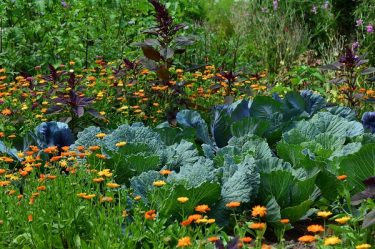
Your Home and Garden: Your Beginner’s Guide to Eco-friendly Gardening at Home
Gardening Know-How: Eco-Friendly Insect Spray: Using Natural Pest Control Sprays In The Garden
One Home: Green gardening tips: A Haven for You and Nature
Green Nature: Green Gardening Tips
EcoSnippets: Rainwater Harvesting – Home System Tour & Q&A
Happy Sprout: Eco-friendly gardening tips for your green garden
Visit our page on Pollinators for tips on creating a supportive environment for them.
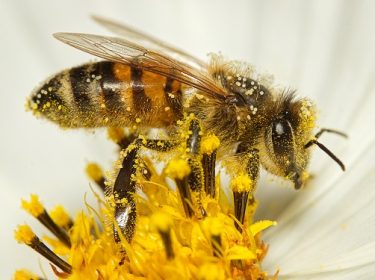
Good Housekeeping: How to Start an Organic Garden in 9 Easy Steps
Gardener’s Path: Organic Gardening
All About Gardening: 11 Organic Gardening Tips to Grow an Incredible Organic Garden
Planting and Gardening – Vermicomposting: Turning Kitchen Waste into Garden Gold