Since Cleaning our Air is important to all life, we have assembled links to articles and contacts regarding various issues and solutions to do with air quality. We offer suggestions as to what you can do yourself to reduce air pollution in your home and community. Also read about developments in areas of technology, community efforts, and policy changes to make our air quality better on many levels. More and more developments in Renewable Energy technology are arising to help with air pollution, such as Aquarius Engines’ new hydrogen engine which is a single-piston-linear engine running completely on hydrogen, which is pretty exciting.
Outside the home, be wary of fungicides, pesticides, insecticides, herbicides, chemical fertilizers, lawn treatments, gasoline, and a host of other chemicals. Using electric, hand-powered, or battery-operated garden tools is easier on the environment than gasoline-powered tools. Avoid using gasoline or diesel-powered equipment such as lawnmowers and leaf-blowers.
Don’t let up on those who are still using poisonous chemicals instead of healthier alternatives, such as Neem, a natural pesticide that is good for humans. Keep mosquitos away by having the following plants around: lavender, lemongrass, rosemary, garlic, marigolds, catnip, basil, lemon balm, and lemon thyme.
One of the obvious solutions to manage air quality in the home is to have plants that are good at producing oxygen such as the Christmas Cactus, Areca Palm, Orchid, Tulsi, and Bamboo Plants. Many plants do double duty and produce oxygen and remove toxins from the air as well, such as the Snake Plant, Peace Lily, Weeping Fig, Pothos, Spider Plant, Aloe Vera, and more.[/su_column] [/su_row][/su_column]
Watch a video on houseplants to clean the air in your home.
Managing Earth’s Pinterest Page on Indoor Air Pollution details the health effects and solutions to create a better environment in which to live.
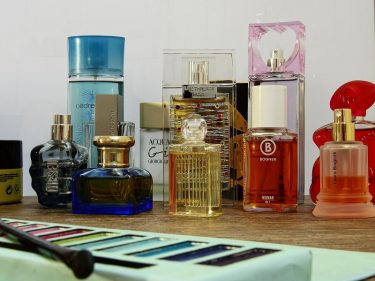 More and more people are finally coming around to the notion that the number of chemicals in perfumes, colognes, aftershave, scented deodourants, hair and skin products, dryer sheets, detergents, fabric softeners, dry-cleaning chemicals, air fresheners, candles, along with cleaners, solvents, etc. is creating a toxic environment, and causing long and short-term negative health effects for many. Different scents can bring on different forms of illness, from an instant headache, nausea, or feeling of an assault on one’s central nervous system from the combination of chemicals, and the effects can be instant for many, and can also cause long-term issues if continually exposed.
For more on how toxic air fresheners and the like are, see the following articles: Made Safe: Toxic Chemicals in Air Fresheners: “…studies measuring the different substances that air fresheners emit, researchers have found numerous chemicals associated with toxic effects. These include volatile organic compounds VOCs), benzene, formaldehyde, toluene, pxylene, phthalates, and more.” Also NLM: Scented Products Emit a Bouquet of VOCs.
University of Mass.: Air Fresheners and Indoor Air Quality: – These exposures, even at relatively low levels, have been associated with a range of adverse health effects. These effects may include migraine headaches, asthma attacks, breathing and respiratory difficulties, dermatitis, and neurological problems, particularly for sensitive individuals.”
“Chemicals used in fragrances can cause health problems such as shortness of breath, headaches and migraines, nausea, muscle pain, and cold-like symptoms. Asthma, emphysema, bronchitis, and allergies can all be adversely affected by the chemicals found in scented products. According to the Lung Association, one study found that 72 percent of people with asthma had adverse reactions to perfumes.” Canada Safety Council
Pouring more chemicals into the air is becoming more of an issue now that so many people in societies around the world suffering from the long-term effects of the recent pandemic and its variants. It won’t be fair to tax their lungs and bodies more by exposing them to the chemicals found in the above-mentioned products used to control the recent pandemic.
Individuals choosing walking, cycling, carpooling, and using public transit over fuel-based vehicles can be very helpful in reducing air pollution. It is exciting to witness the growing number of Electric Vehicles hitting the roads, skies, and waterways, and this will also be a big help.
It’s time to stand up for our human right to decent air quality and speak up about people using scented products inside the home and in the workplace. Thankfully, many governments and Human Resources Managers are setting out guidelines for wearing scented products in the workplace, and things are finally changing. If they are not changing where you work, you do have rights, so speak up. The more we speak up, the better for everyone.
The following articles address the problem of indoor chemicals creating air pollution:
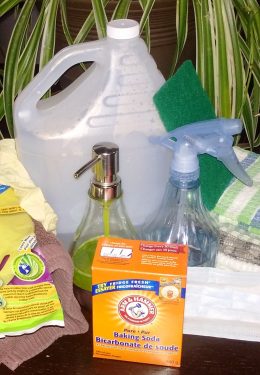
Return to Now: Vinegar Kills Germs Just as Well or Better than Top 6 Commercial Cleaners
Healthy Holistic Living: 72 Uses for Simple Household Products to Save Money & Avoid Toxins
Dr. Bronner’s Soaps – Good alternative to toxic soaps and shampoos
Sciencing: Scented Cleaning Products are seen as the new smoking
Consumer Notice: Indoor Air Quality
Science: Indoor Air Pollution: A Public Health Perspective

GardeningSoul: 12 Houseplants That Clean The Air And Are Almost Impossible To Kill
Good News Network: Lampshades Are Turned into Indoor Air Purifiers by Applying “Clever” New Coating
TreeHugger: 12 Ways to Get Clean Air Without Harmful Chemicals
AQICN: Canada’s Air Pollution ~ Real-time Air Quality Index Visual Map
How To Improve Indoor Air Quality (And Why It’s Critical) with Mike Feldstein
Science Alert: Plants Can Clean Toxic Chemicals From The Air in Hours, Study Shows
EcoWatch: Environmental Toxins 101: Everything You Need to Know
Scientific American: We Need to Improve Indoor Air Quality: Here’s How and Why
Wikipedia: Sustainable Products

The American Lung Association: Cleaning Supplies and Household Items
Asbestos.com – Environmental Effects
Environment Canada’s Air Information:
- Air Quality Health Index
- Air Quality Monitoring and Data
- Air Quality Science
- General
- Fuel, Oil, and Gas
- Industrial and Vehicle Emissions
Inceptive Mind: Aquarius Engines’ new single-piston-linear-engine running completely on hydrogen
EcoWatch: UPS Tests Electric Cycles for Busy Cities
Scientific American: What are Chem Trails made of?

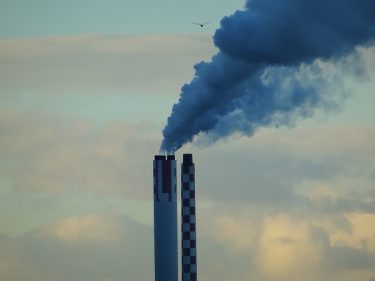
Explain that Stuff – Air Pollution- An introduction
NRCAN: Sustainable forest management in Canada
Canadian Forests: Directory of NGOs Working in the Forest Sector in Canada
Science World: Old Growth Trees

Environment and Climate Change Canada
Alex Praglowski Aviation: Air Canada orders fleet of Electric Planes
International Resources
EPA: Greenhouse Gas Emissions from a Typical Passenger Vehicle
World’s Air Pollution: Real-time Air Quality Index
The United States EPA: Cleaning Up Our Land, Water, and Air
Wikipedia: The United States Environment Protection Agency
Wikipedia: List of International Forestry Organizations
Climate and Clean Air Coalition
David Attenborough: Sunflowers are used to assist in clean up after a nuclear disaster