Recycling hard and soft plastic is essential for the environment
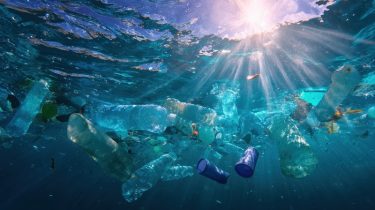 Plastic is one of the biggest pollution issues of our times and more focus on recycling soft plastic is required now. Social media is constantly showing us pictures of oceans, lakes, and rivers with plastic floating and sinking into our waterways. We now know that marine life is consuming plastic, making it suffer, become ill, and die, or passing the plastic on to use when we consume it. Microplastics are found in our organs and mother’s breast milk. It is said that now even table salt has plastic in it.
We know about all the methods to reduce and contain plastics in the waterways. We find recycling receptacles at our disposal and recycling collectors will take our plastic away. But what about the soft plastic? Countries are starting to ban soft plastic bags, which has its redeeming points, but why can’t we also step up the programs and facilities to collect and recycle soft plastic? Most people are just throwing it out and this is heartbreaking when you think how much each person generates each day, especially in the more developed countries.
 In most cases, recycling services don’t pick up soft plastic. Condominiums often don’t provide a bin to collect soft plastic for removal and recycling. Although some grocery stores are now offering bins in which to collect the soft plastic, most businesses, institutions, recreation and community facilities, shopping malls, etc. do not offer anything. This must change as soon as possible.
We are at a critical point when it comes to both soft and hard plastics. The soft plastic must be collected before it hits the landfills and gets so dirty that no one will want to touch it later when others come in to lessen the mountains of discarded waste. At least the hard plastics can be picked out of the landfills, washed and eventually recycled. The time to properly recycle soft plastics is before they become contaminated with sticky food and chemicals.
Part of the problem is that cities farm out the collection of recyclables to private companies, who don’t provide the service to collect soft plastic and frankly don’t often care enough to separate the soft plastic that some people do recycle, so it ends up in the landfills. That is why citizens have to take on the responsibility themselves right now to make sure that the soft plastic ends up where it should by doing their part and encouraging local leaders to enact programs.
Encourage the grocery stores to start or resume programs in which they accept, collect and dealing with the recylcing of the soft plastic bags and wraps they sell. These include: Bread bags, cookie wrappers, bags for rice, pet food, pasta, frozen food, etc. as long as it is clean. Bubblewrap is recyclable, but should be free of tape and cut down to manageable sizes. Realizie that there are different types of plastic that will not be accepted, for instance if you scrunch it up and it holds the shape somewhat, it is suitable for recycling by most streams as opposed to the shiny, crinkly type of plastic that you can tear.
If your grocery store doesn’t have a recycling program, as many disappeared with the pandemic, keep on them to step up and take responsibility for all the plastic they stream into our environment. 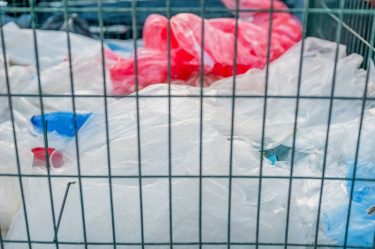 As well as asking stores about their recycling system and indicating that shopping at stores that do step up and deal with plastice, we can also start pressuring those in charge of our workplaces, and local and federal governments for more facilities to collect soft plastic. We can keep asking institutions and facilities to set up recycling programs until it becomes commonplace. We can ask for more recycling facilities that accept soft places to be placed throughout our cities and make sure we are aware of the ones that exist. We can limit single-use plastic purchases through our purchases, or pressure manufacturers to cut down on their packaging or use only recyclable plastic. Please keep separating your soft plastic and do whatever you have to do to keep it out of landfills so all can benefit from your efforts now, as in generations to come!
See examples of resources for cleaning our earth and the Managing Our Earth Pinterest Page on Recycling.